Project Overview
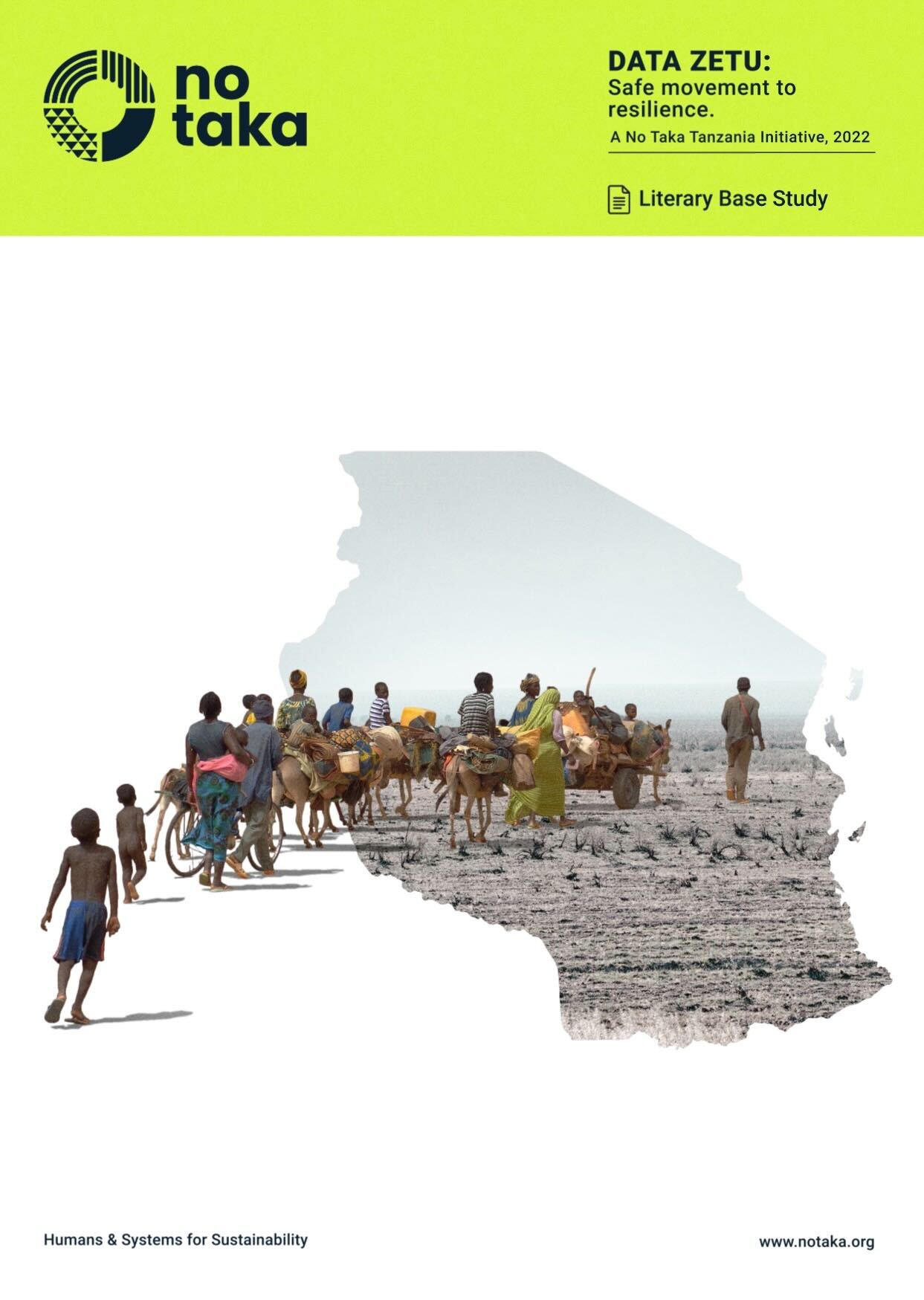
The Data Zetu project is a foundational feasibility study focused on understanding the intersection of climate mobility, food security, and community resilience in North Western Tanzania (Nyarugusu & Nduta Camp areas). Led by the No Taka Tanzania Initiative, this study addresses the urgent need for data-driven solutions in regions facing both environmental degradation and large-scale human displacement.
Objectives
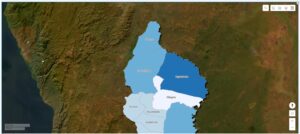
- To map and analyze land cover features in climate-affected areas using geospatial tools.
- To assess the impacts of climate change and refugee movements on local resources, agriculture, and livelihoods.
- To identify data gaps and provide actionable insights for sustainable development, food security, and adaptive capacity building.
Key Findings
- Literature Review (page 3–4): There is a significant lack of research that goes beyond refugee communities to include host communities and the broader impacts of climate mobility. The study highlights both the positive and negative effects of refugee influxes, especially on agriculture and economic opportunities.
- Situational Analysis (page 6): Prolonged droughts have led to severe food insecurity, livestock losses, and increased migration. Over 62,000 livestock have died, and 13% of the local population faces crisis-level food insecurity. Competition for resources between refugees and host communities is intensifying, especially in agriculture.
- Sensitive Data Sets (page 7): Two-thirds of households in Nyarugusu have access to at least one mobile device, but access is notably lower for vulnerable groups. Households led by women account for 36,900 (65% of the total). Women, children, and youth make up a significant portion of the population, with 51% being women and 54% children/youth. Farmers, fishers, and agricultural-related households represent 26% of the population.
Strategic Importance
The study underscores the need for integrated data to inform migration management, land use planning, and food security interventions. By leveraging geospatial analysis and community engagement, the project aims to build adaptive capacities and support evidence-based policy for both refugees and host communities. Read More